
Dental Implants
Why Replacing Missing Teeth Is Important for Your Oral Health
· 3 min read · Reviewed by the Healthy Smiles California clinical team
Quick answer
Why Replacing Missing Teeth Is Important for Your Oral Health
Losing a tooth is more common than many people realize. Teeth can be lost due to decay, injury, gum disease, or other dental issues. While some people may think a missing tooth is mainly a cosmetic concern, the reality is that untreated tooth loss can lead to several long term oral health problems.
Reviewed by the Healthy Smiles California clinical team · Updated October 12, 2026
Why Replacing Missing Teeth Is Important for Your Oral Health
Quick Answer (TLDR):
Losing a tooth is more common than many people realize. Teeth can be lost due to decay, injury, gum disease, or other dental issues. While some people may think a missing tooth is mainly a cosmetic concern, the reality is that untreated tooth loss can lead to several long term oral health problems.
Replacing missing teeth is important not only for restoring your smile, but also for protecting the health and function of your entire mouth.
Teeth Can Shift Out of Position
Your teeth rely on each other for support and alignment. When one tooth is lost, the surrounding teeth no longer have the same structure holding them in place.
Over time, neighboring teeth may begin to shift into the empty space. This movement can cause several problems including:
-
Bite misalignment
-
Uneven wear on surrounding teeth
-
Increased difficulty cleaning between teeth
-
Greater risk of cavities and gum disease
Even a single missing tooth can gradually affect the alignment of your entire bite if left untreated.
Bone Loss in the Jaw
One of the most significant consequences of tooth loss occurs beneath the surface of the gums. The jawbone relies on stimulation from tooth roots to maintain its strength and density.
When a tooth is lost, the bone in that area no longer receives the pressure and stimulation created by chewing. As a result, the bone may begin to shrink over time.
This process is known as bone resorption. As bone loss progresses, it can:
-
Change the shape of the jaw
-
Affect facial structure
-
Make future tooth replacement more complicated
Replacing missing teeth helps maintain the natural structure of the jaw.
Chewing Becomes More Difficult
Your teeth are designed to work together to break down food efficiently. When one or more teeth are missing, chewing can become less effective.
Many people begin to unconsciously favor one side of their mouth or avoid certain foods altogether. Hard, crunchy, or fibrous foods may become more difficult to chew comfortably.
This can impact both oral health and overall nutrition if it leads to avoiding certain healthy foods.
Speech May Be Affected
Teeth play an important role in forming certain sounds when speaking. When teeth are missing, some individuals may notice subtle changes in their speech.
This is particularly noticeable when front teeth are missing, as they help shape many consonant sounds. Replacing missing teeth can help restore normal speech patterns.
Increased Risk of Additional Dental Problems
Gaps left by missing teeth can create areas where food particles and bacteria accumulate more easily. These areas can be harder to clean properly, which may increase the risk of plaque buildup and gum disease.
Over time, the additional strain placed on the remaining teeth can also increase the likelihood of further dental problems.
Addressing tooth loss early can help reduce the risk of these complications.
Options for Replacing Missing Teeth
Fortunately, modern dentistry offers several effective solutions for replacing missing teeth.
Common treatment options include:
Dental Implants
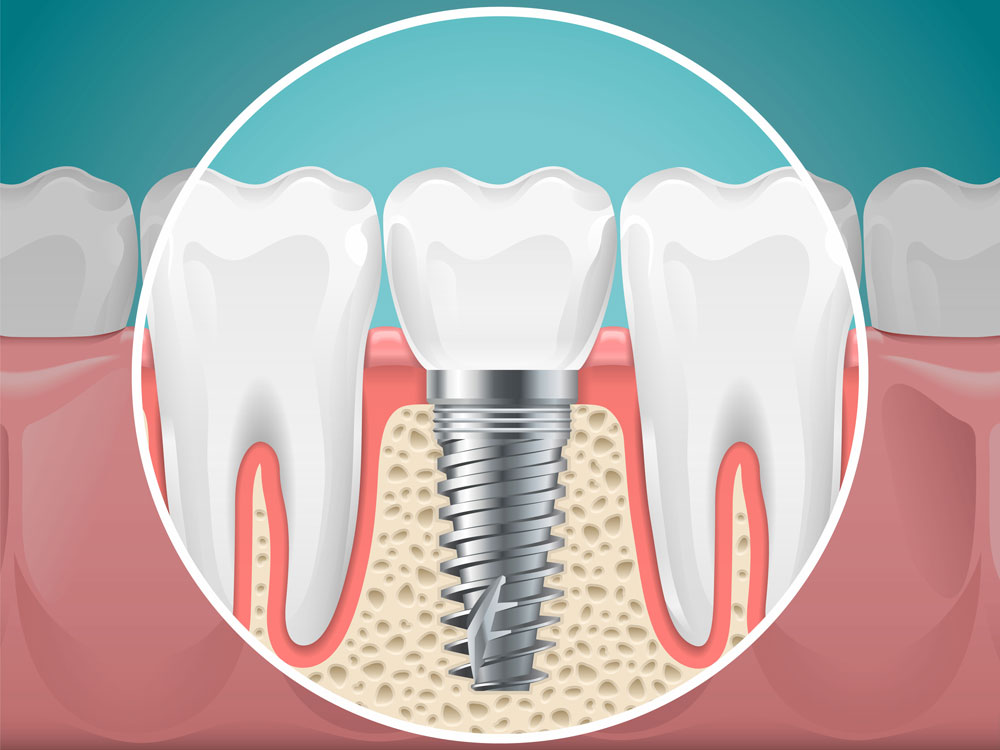
Dental implants replace both the root and the visible portion of the tooth. A small titanium post is placed in the jawbone, creating a stable foundation for a dental crown.
Because implants integrate with the bone, they can help preserve bone density and provide a durable long term solution.
Dental Bridges
A dental bridge replaces a missing tooth by attaching an artificial tooth to the neighboring teeth on each side of the gap. This option can restore function and appearance when implants are not the best choice for a patient.
Dentures
Dentures can replace multiple missing teeth or a full arch of teeth. Modern dentures are designed to provide improved comfort and function compared to earlier designs.
A dentist can help determine which option is best depending on your oral health and treatment goals.
Restoring Confidence and Quality of Life
Beyond the health benefits, replacing missing teeth can also improve confidence and quality of life. Many patients report feeling more comfortable smiling, speaking, and eating after restoring their teeth.
Restoring your smile can have a positive impact on both your oral health and overall wellbeing.
When to Talk to a Dentist
If you are missing one or more teeth, it is a good idea to discuss replacement options with a dental professional. Early treatment can help prevent many of the complications associated with tooth loss.
A dentist can evaluate your oral health, explain available treatment options, and help you choose a solution that restores both function and appearance.
Taking steps to replace missing teeth today can help protect your smile for many years to come.
This article is for general education and is not a diagnosis. Every mouth is different — book an exam for advice specific to you.
Ready to talk about dental implants?
Explore Dental Implants