
Dental Implants
What to Expect After Dental Implant Surgery: The First 72 Hours
· 3 min read · Reviewed by the Healthy Smiles California clinical team
Quick answer
What to Expect After Dental Implant Surgery: The First 72 Hours
Dental implants are one of the most reliable ways to restore missing teeth. They look natural, function like real teeth, and can last for decades when properly cared for. While the procedure itself is very predictable, many patients are unsure about what recovery will feel like immediately afterward.
Reviewed by the Healthy Smiles California clinical team · Updated October 12, 2026
What to Expect After Dental Implant Surgery: The First 72 Hours
Dental implants are one of the most reliable ways to restore missing teeth. They look natural, function like real teeth, and can last for decades when properly cared for. While the procedure itself is very predictable, many patients are unsure about what recovery will feel like immediately afterward.
Understanding what happens during the first 72 hours after dental implant surgery can help you feel more prepared and confident as your mouth begins to heal.
The First 24 Hours After Surgery
The first day after implant surgery is when your body begins the healing process. Most patients experience mild swelling, slight bleeding, and some soreness in the surgical area.
These symptoms are completely normal and typically peak within the first day.
Your dentist will likely recommend:
-
Resting for the remainder of the day
-
Avoiding strenuous activity
-
Keeping your head elevated when lying down
-
Using ice packs to reduce swelling
Small amounts of bleeding or pink saliva may occur during the first several hours. This usually stops on its own and is part of the normal healing process.
Pain is typically manageable with prescribed or over-the-counter medication.
Days Two and Three of Healing
By the second and third day, most patients notice that swelling begins to decrease and discomfort improves significantly.
At this stage you should focus on:
-
Continuing to eat soft foods
-
Keeping the surgical site clean
-
Avoiding chewing directly on the implant area
-
Following any medication instructions from your dentist
It is important not to disturb the implant site while it heals. Avoid touching the area with your tongue or fingers.
Eating During the Early Healing Period
Soft foods are recommended during the early stages of healing. This reduces pressure on the implant site and allows the surrounding bone and gum tissue to begin stabilizing around the implant.
Examples of good foods during this time include:
-
Yogurt
-
Smoothies
-
Scrambled eggs
-
Mashed potatoes
-
Soup
-
Oatmeal
Crunchy, hard, or sticky foods should be avoided for the first few days.
Oral Hygiene After Implant Surgery
Keeping your mouth clean is essential for proper healing.
Your dentist may recommend gentle rinsing with salt water or a prescribed mouthwash. Brushing should continue, but care should be taken around the surgical site.
Avoid aggressive brushing directly on the implant area until your dentist says it is safe.
When to Contact Your Dentist
While most dental implant recoveries are smooth, you should contact your dentist if you experience:
-
Severe pain that does not improve
-
Excessive bleeding
-
Fever
-
Increasing swelling after the third day
These symptoms are uncommon but should be evaluated promptly.
A Smooth Recovery Leads to Long-Term Success
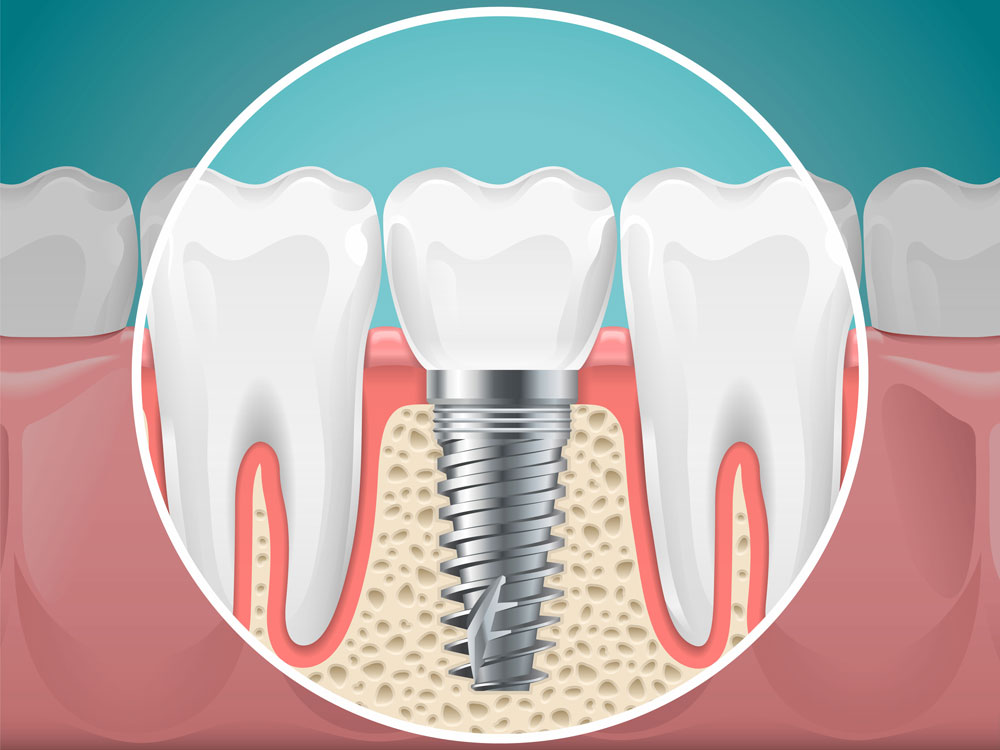
Dental implants are designed to become permanently anchored in the jaw through a process called osseointegration. The first few days of healing play an important role in allowing that process to begin successfully.
By following your dentist’s post-surgery instructions and giving your body time to heal, you can expect a comfortable recovery and a long-lasting restoration.
This article is for general education and is not a diagnosis. Every mouth is different — book an exam for advice specific to you.
Ready to talk about dental implants?
Explore Dental Implants