
Dental Implants
Dental Implants vs Bridges: Which Option Is Better?
· 3 min read · Reviewed by the Healthy Smiles California clinical team
Quick answer
Dental Implants vs Bridges: Which Option Is Better?
When replacing a missing tooth, two common treatment options are dental implants and dental bridges. Both solutions can restore function and appearance, but they work in different ways and offer different long term benefits.
Reviewed by the Healthy Smiles California clinical team · Updated October 12, 2026
Dental Implants vs Bridges: Which Option Is Better?
Quick Answer (TLDR):
When replacing a missing tooth, two common treatment options are dental implants and dental bridges. Both solutions can restore function and appearance, but they work in different ways and offer different long term benefits.
Understanding the differences between dental implants and bridges can help you make an informed decision about which option may be right for you.
How Dental Bridges Work
A dental bridge replaces a missing tooth by attaching an artificial tooth to the neighboring teeth on either side of the gap.
These neighboring teeth are reshaped and fitted with crowns, which support the bridge. The artificial tooth fills the space and restores the appearance of your smile.
Bridges have been used successfully for many years and can provide an effective solution in certain situations.
How Dental Implants Work
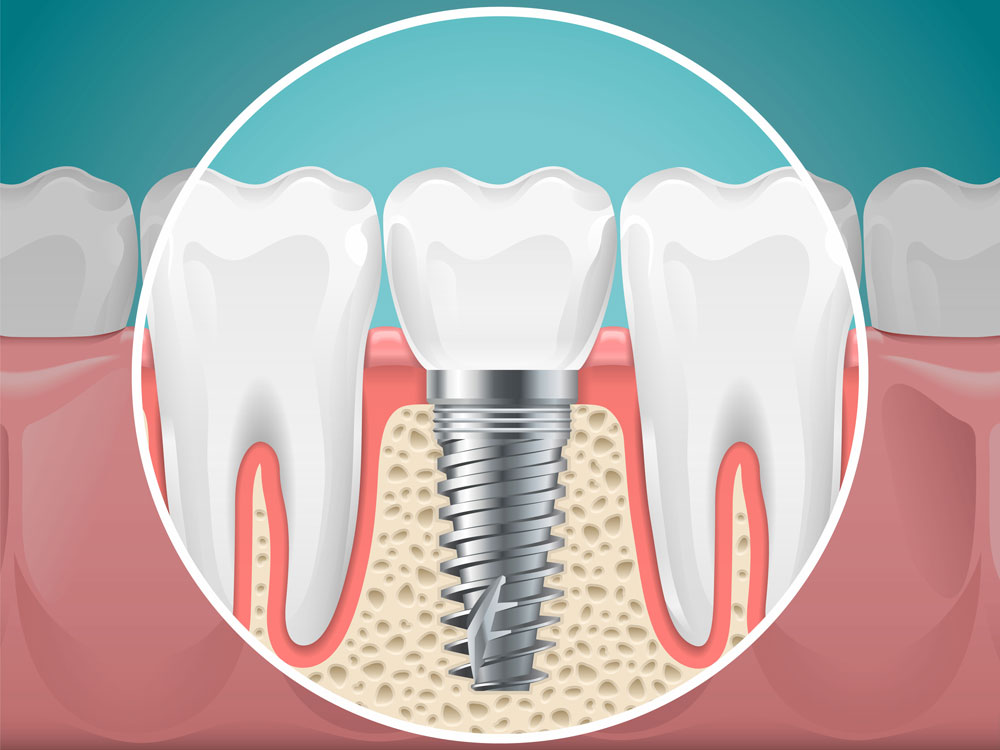
Dental implants replace the entire tooth structure, including the root.
A small titanium post is placed in the jawbone, where it integrates with the bone during the healing process. Once healing is complete, a custom crown is attached to the implant.
Because the implant acts as a replacement root, it provides strong support for the restoration.
Long Term Durability
Dental implants are generally considered the most durable tooth replacement option. With proper care, implants can last decades.
Bridges may need to be replaced over time due to wear or changes in the surrounding teeth.
Impact on Surrounding Teeth
One advantage of implants is that they do not require altering neighboring teeth. Each implant stands on its own.
Bridges require the adjacent teeth to be prepared to support the restoration, which can place additional stress on those teeth over time.
Bone Health
Dental implants help preserve the jawbone by providing stimulation similar to a natural tooth root.
Because bridges sit above the gumline, they do not provide this same stimulation and may not prevent bone loss in the area of the missing tooth.
Choosing the Right Option
Both dental implants and bridges can be effective solutions depending on the patient’s oral health, bone structure, and treatment goals.
A dentist can evaluate your individual situation and recommend the most appropriate treatment plan to restore your smile.
This article is for general education and is not a diagnosis. Every mouth is different — book an exam for advice specific to you.
Ready to talk about dental implants?
Explore Dental Implants